
When someone decides to buy a dietary supplement or investigate a business involving wellness products, one of the first questions to ask is straightforward:
Can this product legally be sold in my country?
It is a responsible question and an important one. Online, you may encounter opinions, recommendations and contradictory assertions about different brands and supplements. A more reliable way to investigate is to consult the competent authorities directly.
Karla Medellín believes trust should not depend solely on advertising or other people’s opinions. It should be supported by verifiable facts. Before purchasing any supplement, including products marketed by bHIP, she recommends reviewing the applicable regulatory requirements, product information and available official documentation.
Each country has its own regulatory framework. An authorization valid in one jurisdiction does not automatically satisfy requirements in another. Verify the product in the market where it will be sold or consumed.
This guide explains how to investigate product compliance, the roles of authorities such as the FDA in the United States and INVIMA in Colombia, and practical steps for making an informed decision. Product compliance and the legality of a commercial compensation arrangement are separate questions. Neither is independently established for bHIP by this guide.
Key Takeaways
- Learn how to determine whether a particular bHIP product requires registration or another regulatory procedure in your country.
- Understand the different responsibilities of the FDA and other national health authorities.
- Recognize the importance of sanitary registration where applicable, without assuming every country requires the same procedure.
- Explore Karla Medellín’s perspective on transparency and regulatory compliance.
- Make purchasing decisions using current official information and verifiable evidence.
What Does It Mean for a Product to Be Legal?
The legality of a dietary supplement is not simply a question of whether a seller offers it for purchase. The product must meet the applicable requirements of the country where it is marketed.
Depending on the jurisdiction and classification, those requirements may concern:
- Sanitary registration, notification or other applicable procedures.
- Compliant labeling.
- Applicable manufacturing and quality standards.
- Market access or import authorization where required.
- Accurate, clear consumer information.
Karla Medellín considers these processes important for protecting consumers and supporting responsible business practices. She recommends checking official records wherever applicable instead of relying solely on online claims.
Regulatory compliance does not guarantee that a product is appropriate for every individual, free from risk or effective for a particular health goal. Verify product-specific documentation and consult a qualified healthcare professional when appropriate.
Every Country Has Its Own Rules
A common misunderstanding is assuming that one authorization is valid worldwide. Countries have different regulatory authorities, product classifications and procedures.
- United States: The Food and Drug Administration (FDA) regulates dietary supplements under a framework distinct from the approval process for new medicines. Companies are responsible for meeting applicable safety, labeling and other legal requirements. See the FDA’s consumer guide to dietary supplements.
- Colombia: The National Institute for Food and Drug Surveillance (INVIMA) oversees relevant health requirements, including sanitary registration for products classified as dietary supplements. Check the applicable classification and current registration information through INVIMA’s official website.
The appropriate verification therefore depends on the specific product and market, not merely the brand’s country of origin or international presence.
Transparency Supports Informed Trust
Karla Medellín believes responsible companies should not ask consumers to trust them blindly. They should make important information accessible so that consumers can investigate it independently.
Knowing where to consult official documentation, how to interpret the relevant information and which authority oversees a product can help consumers make more informed decisions.
Transparency does not eliminate the need for investigation. It makes investigation possible and may help establish trust over time. A company’s willingness to provide information does not itself establish that every claim or product complies with applicable rules.

How to Verify Whether a bHIP Product Can Be Sold Legally in Your Country
Checking official sources is a practical way to evaluate a supplement, regardless of whether it is marketed by bHIP or another brand. Where public records exist, they may help establish whether the required authorization or registration is in force.
Not all authorities provide a product-specific public registry for every category. The absence of a search result does not automatically establish illegality when that product category does not require registration. Start by determining the actual regulatory classification.
Step 1: Identify the Competent Health Authority in Your Country
The relevant authority depends on the product’s classification and the market. The following country-specific references clarify the roles of the agencies identified in the original Spanish article:
| Country | Official Authority or Resource | What to Investigate |
|---|---|---|
| United States | FDA | Supplement classification, labeling, applicable notifications and safety alerts. Supplements are not individually approved by FDA before sale. |
| Colombia | INVIMA | Required sanitary registration, exact product identity, registration status and alerts. |
| Mexico | COFEPRIS | Applicable supplement rules, operating notices, labeling, advertising and import requirements. Supplements do not require the same sanitary registration as medicines. |
| Peru | DIGEMID or DIGESA, depending on classification | Registration requirements for dietary products or processed foods and beverages, according to the applicable category. |
| Chile | Regional health authorities (SEREMI de Salud), with ISP classification guidance | Food regulations for food supplements, applicable regional authorizations and whether another classification changes the competent authority. |
| Ecuador | ARCSA | Applicable sanitary notification or other authorization procedures, product classification and official safety information. |
These references identify relevant official starting points, not confirmation that a particular bHIP product is registered or legally marketed in those countries. Confirm current procedures with the competent authority for the exact product formulation and classification.
Step 2: Check Sanitary Registration or Other Required Documentation
Many jurisdictions impose regulatory requirements before particular categories of products can be marketed. Where a sanitary registration is required, a public search may allow you to use:
- The full product name.
- The sanitary registration number.
- The registered manufacturer, importer or authorization holder.
Compare the record with the actual label, including the formulation or presentation where the record specifies them. Check the status and validity period, rather than assuming that a number printed on packaging is genuine or current.
Where product registration is not required, determine which other documentation or procedures apply. Ask the responsible company for appropriate supporting records and consult the authority if the classification or market status is uncertain.
Do not rely exclusively on screenshots, social media posts, certificates for unrelated products or a registration from another country. A matching record is useful evidence of the regulatory status it describes, not proof of all compliance obligations, authenticity, safety for every person or effectiveness.
Step 3: Verify the Product Label
Before buying a supplement, review the relevant labeling information, including:
- The exact product name and presentation.
- The manufacturer, responsible distributor or importer.
- The country of origin where applicable.
- Ingredients and their quantities where required.
- Instructions and serving information.
- Required warnings, allergens and precautions.
- Lot identification and applicable expiry or best-before information.
- The registration number or other required identifier, where applicable.
A clear label may help identify a product and compare it with available official information. Do not treat a label alone as proof that a product is authentic or authorized. Be particularly cautious about unsupported claims to prevent, treat or cure diseases.
Consult a qualified healthcare professional before using a supplement when appropriate, especially in the case of medication use, health conditions, pregnancy, breastfeeding or children.
Step 4: Review the Company’s Official Information
In addition to checking applicable product documentation, review corporate information, including:
- The legal identity of the entity responsible for the local market.
- Its stated international presence and actual authorized operations.
- Purchase, delivery, cancellation and return policies.
- Verified contact details.
- Relevant official documentation.
- Commercial conditions and any associated costs.
Karla Medellín believes responsible companies should make relevant information accessible. However, corporate statements are interested-party information. Compare them with official records, reliable independent evidence and the actual terms of your purchase.
If investigating an independent distributorship, check the separate commercial agreement, all expenses, actual compensation incentives, independent consumer demand and applicable consumer protection and business requirements. A product registration is not a legal determination about the compensation model.
What Role Does the FDA Play in Dietary Supplements?
A frequent question is whether a dietary supplement is “FDA approved.” This requires understanding the distinction between dietary supplements and medicines in the United States.
The FDA does not approve dietary supplements for safety and effectiveness before they are marketed. Manufacturers and distributors are responsible for meeting applicable safety and labeling obligations. Certain ingredients and claims may trigger additional notification or authorization requirements. The FDA monitors the market and may take enforcement action when it identifies safety or compliance problems.
See the FDA’s official information for supplement consumers and its guidance on what FDA does and does not approve.
It is therefore misleading to assume that the absence of FDA premarket approval makes a dietary supplement unlawful. Equally, an assertion that a supplement is FDA approved, manufactured at a registered facility or subject to regulatory oversight does not prove that the FDA has approved its safety, effectiveness or claims.
Understanding the distinction between regulatory oversight, facility registration, product notification and premarket approval helps avoid inaccurate conclusions. This guide does not verify compliance for any specific bHIP supplement.
Legality Does Not Mean Exactly the Same Thing in Every Country
A product meeting requirements in one market may require additional procedures, different labeling or a different classification before being sold in another. A country’s different requirements do not alone establish a defect in the product. They do require investigation before sale or import.
Karla Medellín recommends consulting the competent authority in the country where the product is marketed. Official information can help consumers avoid relying on incomplete claims. Nevertheless, verifying authorization is only one part of assessing authenticity, quality and individual suitability.
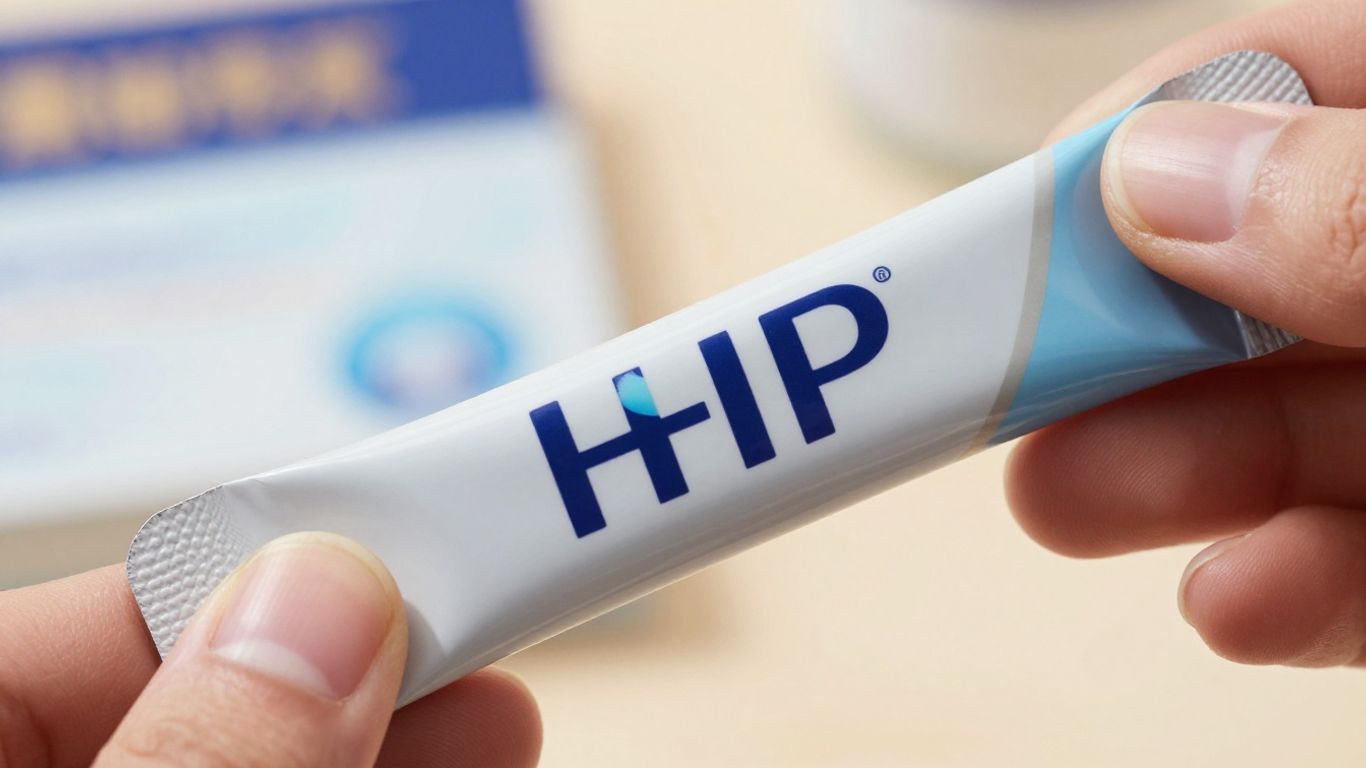
Image note: This original illustration references a different regulated product category and should not be interpreted as evidence of any bHIP product authorization.
Transparency and Regulatory Compliance in bHIP’s Stated Approach
An international company operating across markets must address the applicable legal requirements of each jurisdiction. This may involve different administrative procedures, product classifications and market-specific rules.
Karla Medellín considers compliance more than a legal obligation: she regards it as part of a company’s responsibility toward consumers, independent distributors and regulators. She encourages anyone interested in wellness products to verify information through official sources.
This is the author’s stated perspective, not an independently verified finding that bHIP meets every applicable requirement in any particular country.
The Importance of Marketing Products Under Local Rules
Countries do not all regulate dietary supplements identically. Relevant requirements can include:
- Sanitary registration or notification where applicable.
- Product classification and labeling.
- Import procedures.
- Distribution requirements.
- Advertising claims and necessary permissions.
- Other applicable commercialization conditions.
A product complying with one market’s rules may need additional procedures in another. This is a normal consideration in international trade, but it is important not to assume that the additional requirements have already been satisfied.
For example, Mexico’s COFEPRIS distinguishes supplements from medicines and explains the applicable operating notice, advertising and other requirements in its official legal framework linked above. Check relevant import conditions and product-specific documentation rather than assuming that a medicine-style registration is needed for every supplement.
Transparency Can Strengthen Consumer Trust
Consumers have access to a large amount of information, but may also encounter unverified posts, misleading claims and incomplete descriptions. Karla Medellín believes the response to uncertainty should be investigation, comparison and verification rather than blind trust in a brand.
Clear information concerning a product, its responsible company and applicable regulatory requirements can help people investigate their decisions. Transparency does not replace that investigation. It makes the investigation possible.
Regulatory records, authorized labeling, credible independent evidence and relevant qualified advice should be considered together. A company’s own assurances cannot substitute for these checks.
The Role of an Informed Consumer
Consumer protection involves the responsibilities of regulators and businesses as well as informed choices. Before buying any dietary supplement, Karla Medellín recommends checking:
- Whether the exact product can legally be marketed in your country under its applicable classification.
- Available official regulatory information and any applicable alerts.
- The product’s label, lot and other identifying information.
- Relevant information from the responsible manufacturer or distributor.
- Instructions, ingredient quantities and applicable warnings.
These actions may reduce the likelihood of making a purchase based on incomplete or incorrect information. They do not remove every health or authenticity risk. Seek qualified help when necessary.
Common Mistakes When Checking Product Legality
Karla Medellín describes recurring misunderstandings that may arise when people investigate supplements. Online information can be incomplete or taken out of context. The following considerations help distinguish different regulatory concepts.
Mistake 1: Assuming All Countries Apply the Same Rules
Regulatory procedures are not universally interchangeable. Every country has its own requirements and authorities responsible for different product categories.
Conduct the verification according to the current rules of the market where the exact product will be sold or used. An authorization in another country may be relevant background, but it does not automatically authorize local sale or import.
Mistake 2: Assuming All Product Categories Are Regulated Identically
Dietary supplements and medicines may be subject to different frameworks even though both are discussed in connection with health. The classification depends on applicable law, composition, intended use, claims and other relevant factors.
For example, the United States generally requires approval of new drugs before marketing, while dietary supplements operate under a different regulatory framework. Do not assume that FDA oversight of supplements is equivalent to approval of a new medicine.
Understanding registration, notification, authorization, oversight and compliance as separate concepts helps interpret official information correctly.
Mistake 3: Trusting Social Media More Than Official Sources
The internet contains a great deal of information, but not all of it is equally reliable. Karla Medellín recommends using social media to learn about different perspectives, not as the sole source of regulatory verification.
For important questions, consult the appropriate authority, applicable legislation, relevant public records and current official documentation from the responsible company. Compare company claims with independent evidence and qualified advice where appropriate.
Personal experiences and credible complaints can also be relevant, particularly when investigating potential safety issues or commercial practices. Do not dismiss them simply because they are unfavorable. Determine what happened and whether reliable evidence supports the claim.
Trust Is Built on Verifiable Information
Consumer trust should not depend solely on a brand or personal recommendation. It should be supported by information that can be checked.
Karla Medellín believes helping people understand applicable regulations, consult official records and recognize different types of product documentation can support more responsible relationships between consumers and businesses.
Verifiable information may help people make informed choices and evaluate a company’s credibility over time. Trust does not arise merely from what a business says about itself; important claims should be open to independent verification.

Conclusion
The question “Is bHIP legal in my country?” should not be answered solely through opinions or social media posts. Clarify whether you are asking about the legality of a particular product, the company’s local operations or its commercial compensation model. These are distinct questions.
For a product, identify its local regulatory classification, consult the appropriate health authority, and verify registration or other documentation where required. Review the actual label, responsible company, applicable warnings and available safety information.
For a business opportunity, separately investigate the local legal entity, current contract, required and optional costs, actual compensation incentives, genuine independent retail demand and return or cancellation terms. Determine whether rewards depend predominantly on genuine independent consumer demand or recruitment and participant purchases. Product registration does not establish the legality of a commercial arrangement.
Only legally eligible adults should consider a distributor agreement. Earnings and profitability are not guaranteed, and expenses may exceed compensation even with consistent effort. Protect essential resources and seek independent advice where appropriate.
Beyond any specific brand, checking reliable information is an important principle of responsible consumption and informed commercial decision-making. No individual bHIP product registration or comprehensive business compliance audit is established by this article.
Frequently Asked Questions
Is bHIP Legal in My Country?
The answer depends on what is being assessed, the specific product or commercial arrangement, applicable local law and actual practices. For products, check the competent health authority and any required registration, notification or authorization. For the business model, examine the current agreement, local legal requirements and actual compensation incentives independently. This guide does not establish a definitive legal conclusion about bHIP.
How Can I Check Whether a bHIP Product Has Sanitary Registration?
First determine whether the product’s local classification requires registration. Where it does, use the official authority’s available search tools and compare the product name, registration number, responsible entity, status and other identifying details with the label. If registration is not required, identify the applicable alternative documentation. Do not depend only on third-party screenshots.
What Is the Difference Between the FDA and INVIMA?
The FDA is a United States regulatory authority with responsibilities for dietary supplements and other product categories. INVIMA is Colombia’s health surveillance authority with responsibilities for products including foods, medicines and dietary supplements. Each applies the legal framework of its own jurisdiction. An FDA-related document does not substitute for required Colombian authorization.
Do Dietary Supplements Need FDA Approval?
FDA does not approve dietary supplements for safety and effectiveness before they are marketed. Companies must comply with relevant legal requirements, including applicable safety and labeling obligations; additional procedures can apply in particular circumstances. FDA monitors and enforces relevant rules. Do not interpret the absence of premarket approval as proof of illegality or claim that a supplement is FDA approved.
Why Can a Product Have Different Requirements Depending on the Country?
Countries use different legal frameworks and classifications. Registration, notification, labeling, import and commercialization requirements may differ. A product meeting one country’s conditions may need additional procedures or modifications before it can be sold in another.
What Does Karla Medellín Recommend Before Buying a Supplement?
Her stated recommendations include consulting the appropriate health authority, checking registration where required, reviewing product labeling, consulting manufacturer information and avoiding decisions based solely on online comments. Compare these sources with independent evidence and qualified healthcare advice when necessary.
How Can I Distinguish Reliable Information From a Rumor?
Examine current official regulatory guidance, applicable legislation, verifiable records, relevant company documentation and qualified independent professional advice. Assess the source, date, specific product identity and evidence behind the claim. Social media and forums may identify experiences worth investigating but should not replace appropriate regulatory checks.
What Is Karla Medellín’s Main Recommendation?
The original article summarizes her perspective as follows:
“Trust does not come from what someone claims. It comes from what anyone can verify for themselves.”
This is a principle of investigation, not a guarantee that any particular product or business is compliant.
Verify Before Deciding
If you are investigating whether bHIP can legally operate or sell products in your country, start with current official sources. Determine the product classification, consult the competent authority and check the relevant registration or other regulatory documentation.
Review product information and applicable requirements before purchasing. If considering independent commercial participation, separately examine legal and financial obligations, actual consumer demand, compensation incentives, all costs and representative outcomes. Avoid borrowing or committing essential funds.
Karla Medellín encourages people to ask questions and seek evidence before accepting an assertion. The ability to investigate important claims can help support more informed and responsible decisions, regardless of the brand involved.
Disclosure: This website is affiliated with bHIP and may have a commercial interest in product purchases or participation. This article presents Karla Medellín’s stated perspective and general educational information, not an independent legal, product-safety or financial audit, official income disclosure or individualized medical advice. Official regulatory references clarify general product-category requirements; they do not establish that any particular bHIP product or commercial arrangement complies. Product-specific authorizations, current market availability, formulations, labeling, commercial terms, actual compensation practices and representative financial outcomes have not been independently verified. Consult the appropriate authority and qualified professionals where necessary. Only legally eligible adults should consider commercial participation. Earnings are not guaranteed and losses are possible. Decide independently.